


VESTIBULAR SCHWANNOMAS
Expert, Personalized Care for Acoustic Neuromas

OVERVIEW
A vestibular schwannoma — also known as an acoustic neuroma — is a benign tumor that grows on the vestibular nerve, which connects the inner ear to the brain. This nerve controls balance, and the tumor often affects hearing as it grows. Vestibular schwannomas develop in a narrow bony channel called the internal auditory canal and can extend into the cerebellopontine angle, the space between the brainstem and the cerebellum.
Although these tumors are benign and slow-growing, their location near critical structures — including the facial nerve, hearing nerve, brainstem, and cerebellum — makes treatment decisions complex. Even small tumors can cause significant hearing loss, tinnitus (ringing in the ear), balance problems, and facial numbness. Large tumors can compress the brainstem and cause hydrocephalus, a potentially life-threatening condition.
Vestibular schwannomas account for approximately 8% of all intracranial tumors and affect roughly 1 in 100,000 people per year. They are the most common tumor of the cerebellopontine angle.

TREATMENT OPTIONS
The management of vestibular schwannoma depends on the size of the tumor, the patient's symptoms, hearing status, and overall health. The three main options are:
Observation (Watch and Wait) - Small tumors without significant symptoms may be monitored with periodic MRI imaging. Many schwannomas grow slowly or not at all. Regular monitoring ensures that treatment can be initiated if the tumor begins to grow or symptoms worsen.
Stereotactic Radiosurgery (CyberKnife) - For small to medium vestibular schwannomas, stereotactic radiosurgery can be a highly effective treatment to stop tumor growth while preserving neurological function. At Stanford, Dr. Fernandez-Miranda works closely with the CyberKnife radiosurgery team to deliver precise, frameless radiation to the tumor while minimizing exposure to the surrounding brainstem, facial nerve, and hearing nerve. CyberKnife offers key advantages over traditional frame-based systems: it is non-invasive (no head frame bolted to the skull), can be delivered in a single session or fractionated over multiple sessions for optimal nerve preservation, and uses real-time image tracking for sub-millimeter accuracy.
Microsurgical Removal - Surgery is the definitive treatment for large tumors, tumors causing brainstem compression, and tumors with progressive symptoms despite radiosurgery. The goals of surgery are complete or near-complete tumor removal, preservation of facial nerve function, and preservation of hearing when possible. For select cases, a planned subtotal removal followed by CyberKnife radiosurgery to the residual tumor represents the safest path to long-term tumor control.
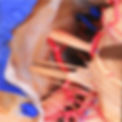

SURGICAL APPROACHES
Dr. Fernandez-Miranda selects the optimal surgical approach for each patient based on tumor size, location, hearing status, and individual anatomy. This ability to choose and execute multiple approaches is critical to achieving the best outcomes. Equally important, he works in close collaboration with Stanford's expert neuro-otology team — a partnership that is essential and ensures every patient receives the combined expertise of skull base neurosurgery and otologic surgery.
Retrosigmoid (Suboccipital) Approach - The most versatile approach, performed through a small opening behind the ear. It provides excellent visualization of the tumor, the brainstem, and all cranial nerves. This approach offers the best chance of hearing preservation for patients with serviceable hearing and is suitable for tumors of any size.
Translabyrinthine Approach - Performed through the mastoid bone, this approach provides the most direct and safe access to the facial nerve. It is preferred for patients who have already lost hearing in the affected ear, as this approach sacrifices any remaining hearing. The joint neurosurgery–neuro-otology team ensures the safest possible corridor to the tumor with optimal facial nerve outcomes.
Middle Fossa Approach - this approach is used for small tumors confined to the internal auditory canal. It provides the best chance of hearing preservation for intracanalicular tumors and is performed through a small opening above the ear.
NERVE PRESERVATION TECHNIQUE
Preserving the facial and cochlear nerves is the central challenge of vestibular schwannoma surgery. Dr. Fernandez-Miranda employs advanced microsurgical techniques that exploit the natural tissue planes around the tumor to separate it from these critical nerves with minimal manipulation.
Subarachnoid Dissection - The arachnoid membrane — a thin, transparent layer that covers the brain and nerves — often creates a natural plane of separation between the tumor and the surrounding cranial nerves and blood vessels. Dr. Fernandez-Miranda meticulously identifies and develops this subarachnoid plane, using it as a protective corridor to dissect the tumor away from the facial and cochlear nerves without direct contact or traction on the nerve fibers. This technique is particularly valuable in the cerebellopontine angle, where the arachnoid provides a natural buffer between the tumor capsule and the brainstem.
Subpial Dissection - In cases where the tumor has grown into or compressed the nerve substance itself, Dr. Fernandez-Miranda uses subpial dissection techniques to carefully separate tumor from neural tissue at the level of the pia mater — the innermost membrane that directly covers the nerve. This requires the highest level of microsurgical precision, as the dissection occurs at the boundary between tumor and functioning nerve fibers. Mastery of this plane is what allows safe tumor removal in cases where the facial nerve is thinned, stretched, or splayed over the tumor surface.
The combination of these anatomical plane-based techniques — developed through years of dedicated laboratory dissection under Albert L. Rhoton Jr. and refined over thousands of skull base operations — is what enables Dr. Fernandez-Miranda to achieve high rates of facial nerve preservation even in large and complex tumors, and even hearing preservation in moderate size tumors.
Continuous intraoperative facial nerve monitoring and auditory brainstem response (ABR) monitoring are used throughout every case to provide real-time feedback on nerve function during dissection.
The selection of the right approach — and the surgeon's mastery of each — is what determines outcomes. Dr. Fernandez-Miranda's deep anatomical knowledge, trained under Albert L. Rhoton Jr., and his experience with all skull base approaches allows him to tailor the safest and most effective plan for each patient.


CYBERKNIFE RADIOSURGERY
Dr. Fernandez-Miranda has extensive expertise in integrating CyberKnife stereotactic radiosurgery into the treatment of vestibular schwannomas — both as a primary treatment for appropriately sized tumors and as a complement to surgery for larger or complex cases.
As the surgeon directing the patient's overall treatment strategy, Dr. Fernandez-Miranda personally evaluates each case to determine whether CyberKnife alone, surgery alone, or a planned combined approach offers the best balance of tumor control and functional preservation. This individualized decision-making — rather than defaulting to a single treatment modality — is what distinguishes expert management of vestibular schwannomas.
Stanford's CyberKnife program is among the most experienced in the nation, and the collaboration between neurosurgery and radiation oncology ensures seamless treatment planning and follow-up.
Frequently Asked Questions
What is a vestibular schwannoma (acoustic neuroma)? A vestibular schwannoma, also called an acoustic neuroma, is a benign tumor that grows on the vestibular nerve connecting the inner ear to the brain. It develops in the internal auditory canal and can extend into the cerebellopontine angle. These tumors are the most common tumor in this location, accounting for approximately 8% of all intracranial tumors.
What are the symptoms of a vestibular schwannoma? The most common symptoms include gradual hearing loss on one side, tinnitus (ringing in the ear), balance problems, and dizziness. Larger tumors can cause facial numbness, facial weakness, headaches, and in severe cases, brainstem compression and hydrocephalus.
Do all vestibular schwannomas need surgery? No. Small tumors without significant symptoms may be safely monitored with periodic MRI imaging. Small to medium tumors can be effectively treated with CyberKnife stereotactic radiosurgery — a non-invasive, frameless radiation treatment that stops tumor growth while preserving neurological function. Surgery is the definitive treatment for large tumors, tumors causing brainstem compression, and tumors with progressive symptoms. Dr. Fernandez-Miranda evaluates each case to recommend the optimal strategy, which may include CyberKnife alone, surgery alone, or a planned combination of both.
What is CyberKnife and how is it used for vestibular schwannomas? CyberKnife is a frameless stereotactic radiosurgery system that delivers highly precise radiation to the tumor without a head frame, incisions, or anesthesia. It can be given in a single session or fractionated over multiple sessions to optimize hearing and facial nerve preservation. At Stanford, Dr. Fernandez-Miranda works closely with the CyberKnife team and personally determines whether radiosurgery alone, surgery alone, or a combined approach is the best strategy for each patient. For larger tumors, surgical debulking followed by CyberKnife to the residual tumor can maximize tumor control while minimizing risk.
Can hearing be preserved during vestibular schwannoma surgery? In selected cases, yes. The likelihood of hearing preservation depends on the tumor size, the patient's preoperative hearing level, and the surgical approach used. The retrosigmoid and middle fossa approaches offer the best chances for hearing preservation. Dr. Fernandez-Miranda evaluates each case individually to determine the realistic prospects for hearing preservation.
How is the facial nerve protected during surgery? Preserving facial nerve function is one of the primary goals of surgery. Dr. Fernandez-Miranda uses advanced anatomical plane-based dissection techniques — including subarachnoid dissection to separate the tumor from the nerve along the natural arachnoid membrane, and subpial dissection for cases where the tumor has compressed or engulfed the nerve itself. These techniques, developed through years of experience., allow safe tumor removal even when the facial nerve is thinned or splayed over the tumor surface. Continuous intraoperative facial nerve monitoring and auditory brainstem response (ABR) monitoring provide real-time feedback throughout every case. Dr. Fernandez-Miranda works in close collaboration with Stanford's expert neuro-otology team.
What surgical approach does Dr. Fernandez-Miranda use? Dr. Fernandez-Miranda selects the optimal approach based on tumor size, hearing status, and individual anatomy. Options include the retrosigmoid (most versatile, best for hearing preservation in larger tumors), translabyrinthine (safest for the facial nerve when hearing is already lost), and middle fossa (best for hearing preservation in small intracanalicular tumors). The ability to choose and execute all approaches is what sets his practice apart.
How do I get a consultation for a vestibular schwannoma? Contact Dr. Fernandez-Miranda through drjfm.com or Stanford Health Care at (650) 497-7777. Please provide medical records, audiograms, and MRI imaging. Your case will be evaluated and a recommendation provided, typically within 24–48 hours. Virtual video consultations are available for patients anywhere in the world.
CONTACT US FOR A CONSULTATION OR SECOND OPINION
We will do our best to contact you back within 24-48 hours
Please be ready to provide medical records and imaging studies
Your case will be carefully evaluated and will provide our recommendation and eligibility for surgical intervention